Road at the Royal Exchange Theatre
Powerful, immersive and politically charged, this revival shows Road still has bite, even if its relevance now feels more complex than ever.

Jim Cartwright’s Road has always been a bruising piece of theatre, a howl from Thatcher-era Britain that refuses neat resolution. Revived now at Manchester’s Royal Exchange Theatre, it arrives with bold, promenade-style ambition and muscular performances that refuse to soften the blow. Nearly four decades on, its anger still feels raw.
Director Selina Cartmell leans unapologetically into theatrical scale. Chunky 1980s television sets suspended above the stage flicker with BBC test cards, clips from 80s TV and monologues filmed by Scullery, our ever-present guide through the night. It’s a smart device, reminding us that these lives were once mediated, stereotyped and consumed, much as working-class stories often still are.
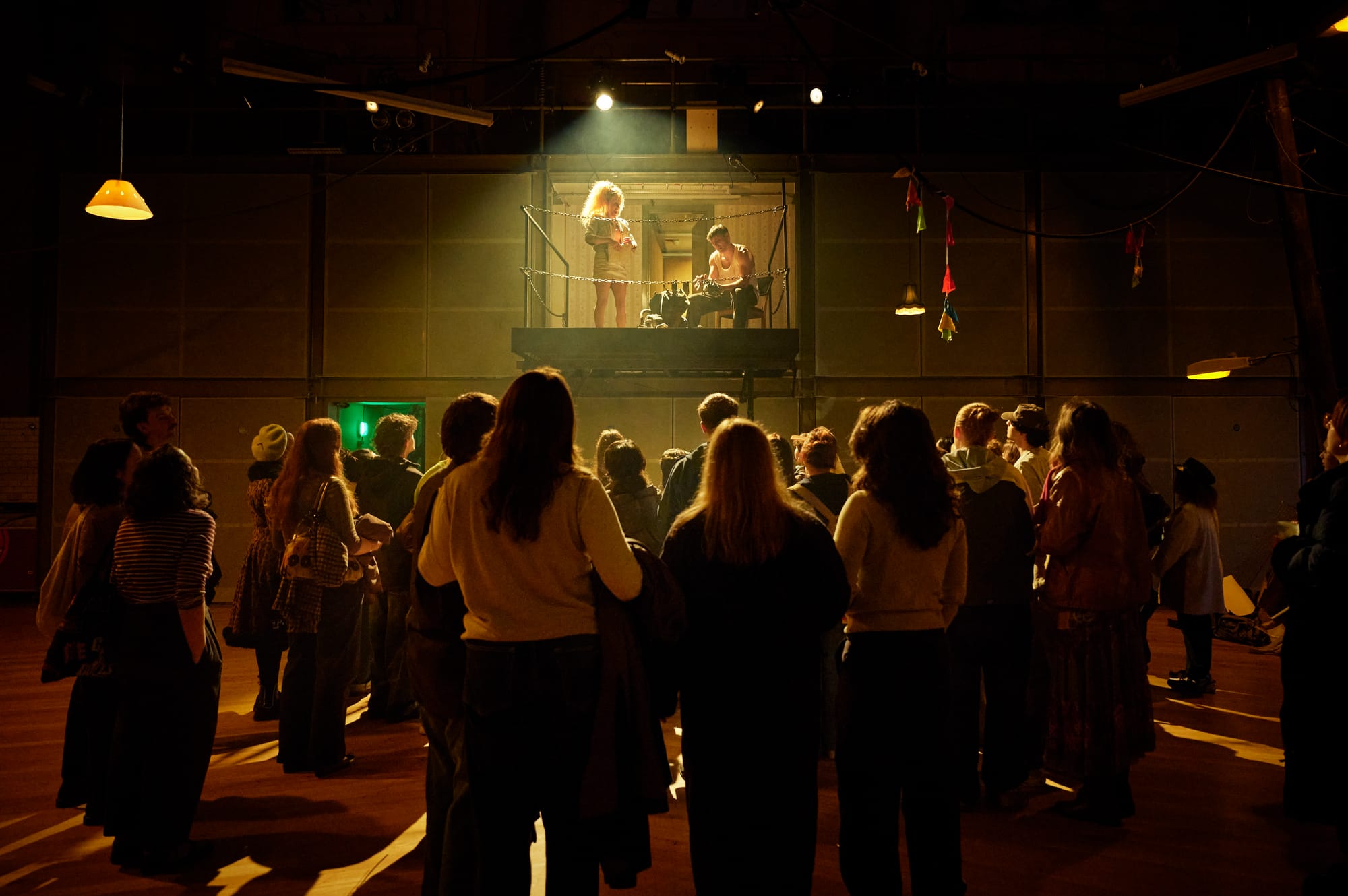
Leslie Travers’ set design cleverly extends this sense of environment beyond the main stage. Pre-show action spills into spaces around the theatre, the studio and even The Rivals bar, temporarily rebadged The Millstone, creating a promenade-style prologue before the audience is guided into the main theatre space. The effect is expansive and communal, with scenic fragments dotted through the building like social debris. You begin to look differently at fellow spectators, as if Cartwright’s 'road' might exist not just in 1986 Lancashire but somewhere uncomfortably close to home.
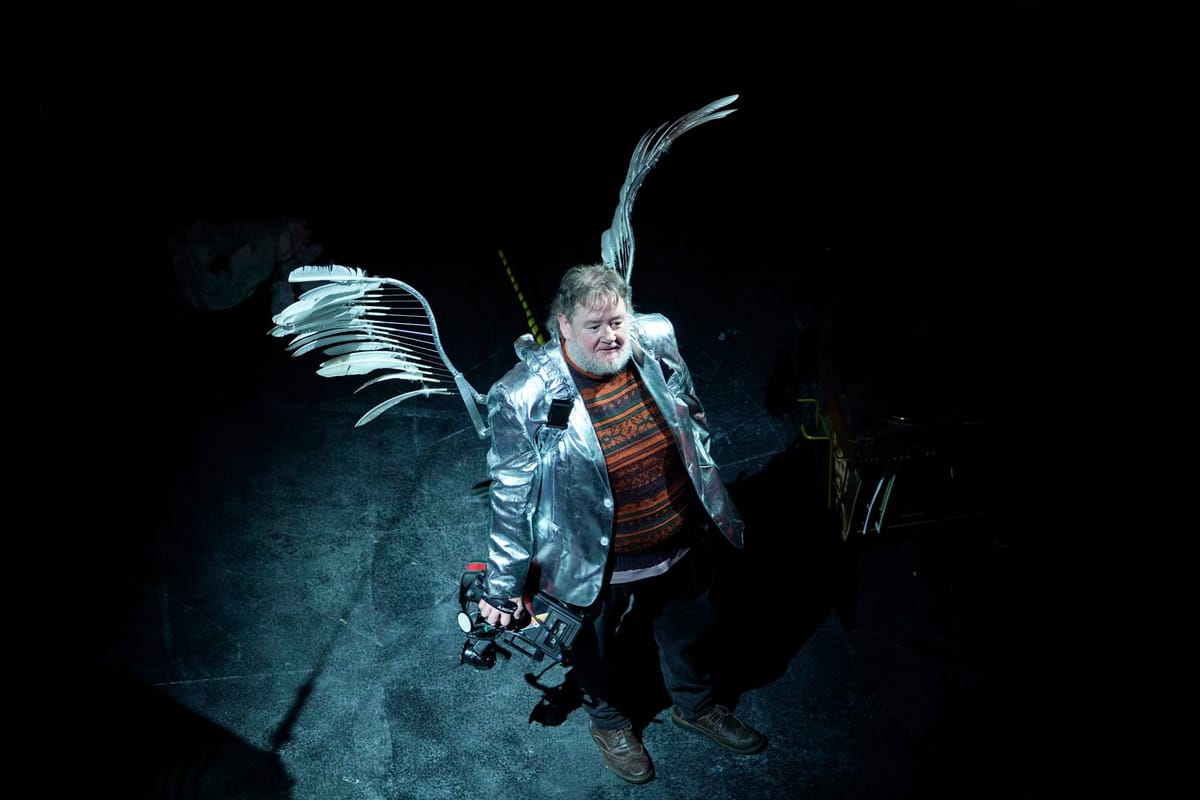
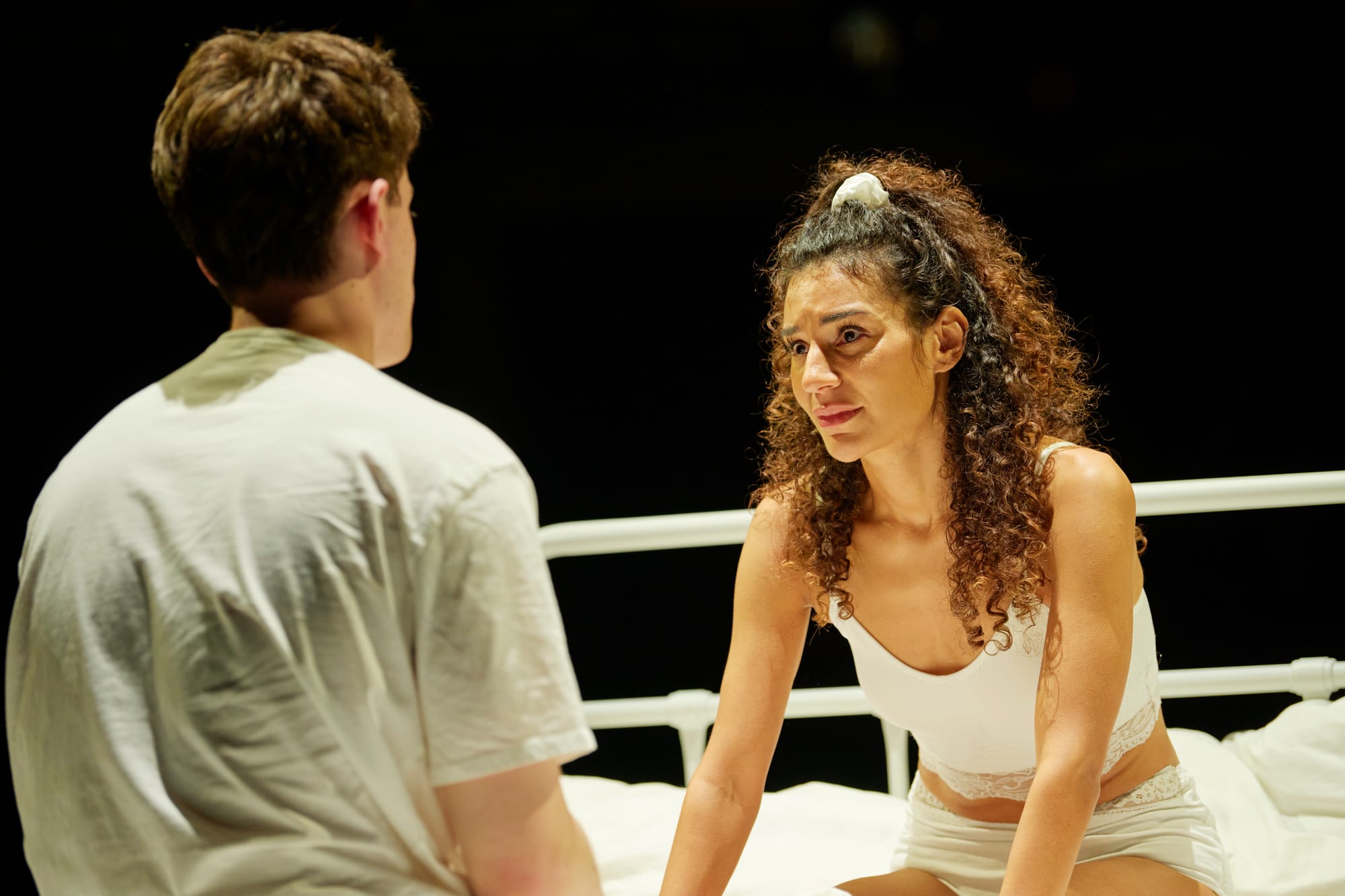
Performance-wise, it’s consistently excellent. Johnny Vegas’ Scullery treads a compelling line between compère, witness and provocateur, guiding us through a landscape of fractured lives. Jake Dunn’s Joey is quietly devastating, especially in the play’s bleakest sequence as he retreats to bed, refusing food, hope, life. Lucie Shorthouse brings warmth and aching tenderness as Claire. Across the ensemble, with striking turns from Shobna Gulati, Lesley Joseph, Lucy Beaumont and Laura Elsworthy, Cartwright’s language sings; coarse, funny and poetic, often heartbreakingly so.
And yet, watching Road in 2026 raises complicated questions. Written in anger at Thatcher-era neglect, the play inevitably echoes today’s cost-of-living anxieties, but those parallels don’t always map neatly onto the present. Its collage-like structure, a sequence of monologues and duologues, once felt radical; now, without careful recalibration, it can tip towards caricature. At times the production leans heavily into familiar Northern working-class tropes, risking a flattening of the very people it seeks to honour.
There are laughs, certainly, but what lingers is the loneliness; a gallery of people searching, often desperately, for connection, dignity and escape.
Still, the ambition is undeniable. Imaginative staging, committed performances and flashes of real emotional punch make this a compelling revival, powerful theatre that resonates, even if it doesn’t always sit comfortably.