Why Kneecap’s Manchester gigs matter right now
Manchester welcomes Kneecap this November – a band whose music and message turn protest into poetry and noise into meaning.

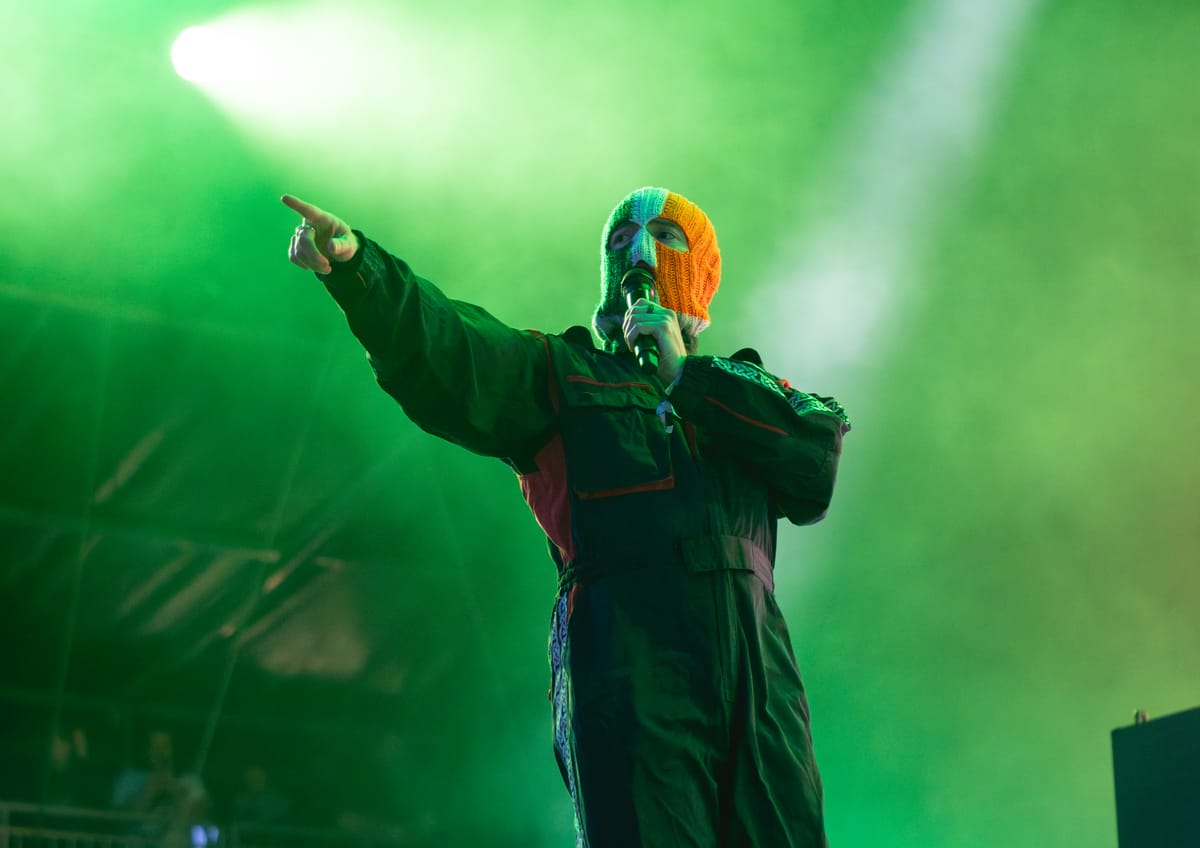
When Kneecap take to the stage at Manchester Academy this November, they’ll be bringing more than basslines and bravado. The Belfast rap trio - Mo Chara, Móglaí Bap and DJ Próvaí - have forged a movement around language, politics and expression. What started out in a small room in West Belfast has grown into one of the most polarising acts in British music, sparking debate over artistic freedom, censorship and the limits of protest.
Rapping in both Irish and English, Kneecap’s lyrics are sharp, subversive and unashamedly political - fuelled by humour, rebellion and a deep sense of place. Their debut album Fine Art, released earlier this year, is both a love letter to their community and a middle finger to the establishment. The group’s accompanying feature film, Kneecap, which premiered at Sundance and stars Michael Fassbender, cemented their reputation as one of the most provocative acts in contemporary music.
For Manchester, a city steeped in political and musical resistance, the arrival of Kneecap at the Academy this November feels timely. We’ve always known that when art and activism collide, something powerful happens - from the rebellious energy of the Hacienda and Factory Records to the radical legacy of Peterloo. Manchester’s musical history has always been driven by spirit as much as sound, and Kneecap channel that defiance unapologetically.
Of course, these gigs are as much about atmosphere as the music itself. Kneecap’s audiences span generations and backgrounds - a crowd bound by a shared hunger for authenticity. There’s also a sense of joy and danger in their shows - like all great live acts, they make the political personal. They remind audiences that the Irish language is alive and defiant - once silenced by colonialism, now roaring back as a vehicle of resistance, as fierce and vital as any protest chant.
It’s important to point out that their politics have also placed them squarely in the firing line. Kneecap’s outspoken pro-Palestinian stance has become a defining part of their identity - from leading “Free Palestine” chants at Glastonbury to projecting messages condemning Israel’s war on Gaza during their Coachella set. Supporters see this as solidarity from artists who know what it means to live under occupation; critics have accused the band of crossing a line, alleging antisemitic rhetoric and glorification of terrorist groups. Several governments have banned them from performing - including Hungary and Canada - while an investigation into alleged hate speech led to court charges later dismissed by a Belfast judge. Kneecap reject the accusations outright, describing them as politically motivated attempts to silence dissent.
It’s undeniable that their activism - and the backlash it’s received - has made them a lightning rod in current culture wars. Their Manchester shows will arrive against a backdrop of heightened tension and pain, following the recent terror attack on the Heaton Park Synagogue. In that context, their appearance carries extra weight. It invites questions about how artists engage with global conflict, and what freedom of expression really means in an age of fear and misinformation.
The symbolism of Kneecap performing in Manchester matters. The city’s Irish heritage runs deep - from the waves of migrants who shaped its neighbourhoods and industries to its continued cultural connections across the Irish Sea. In the face of a resurgent far-right and amid political turbulence, Kneecap’s art offers something rare - a reminder of solidarity, identity and the power of speaking truth - especially when it’s uncomfortable.
Kneecap’s politics won’t please everyone - but neither should they. Art that challenges power should also challenge us to listen. We can stand for Palestine and against antisemitism, for protest and for peace - because culture, at its best, makes space for both.